
Best Citation Mapping Tools in 2026: 3 Research Workflows
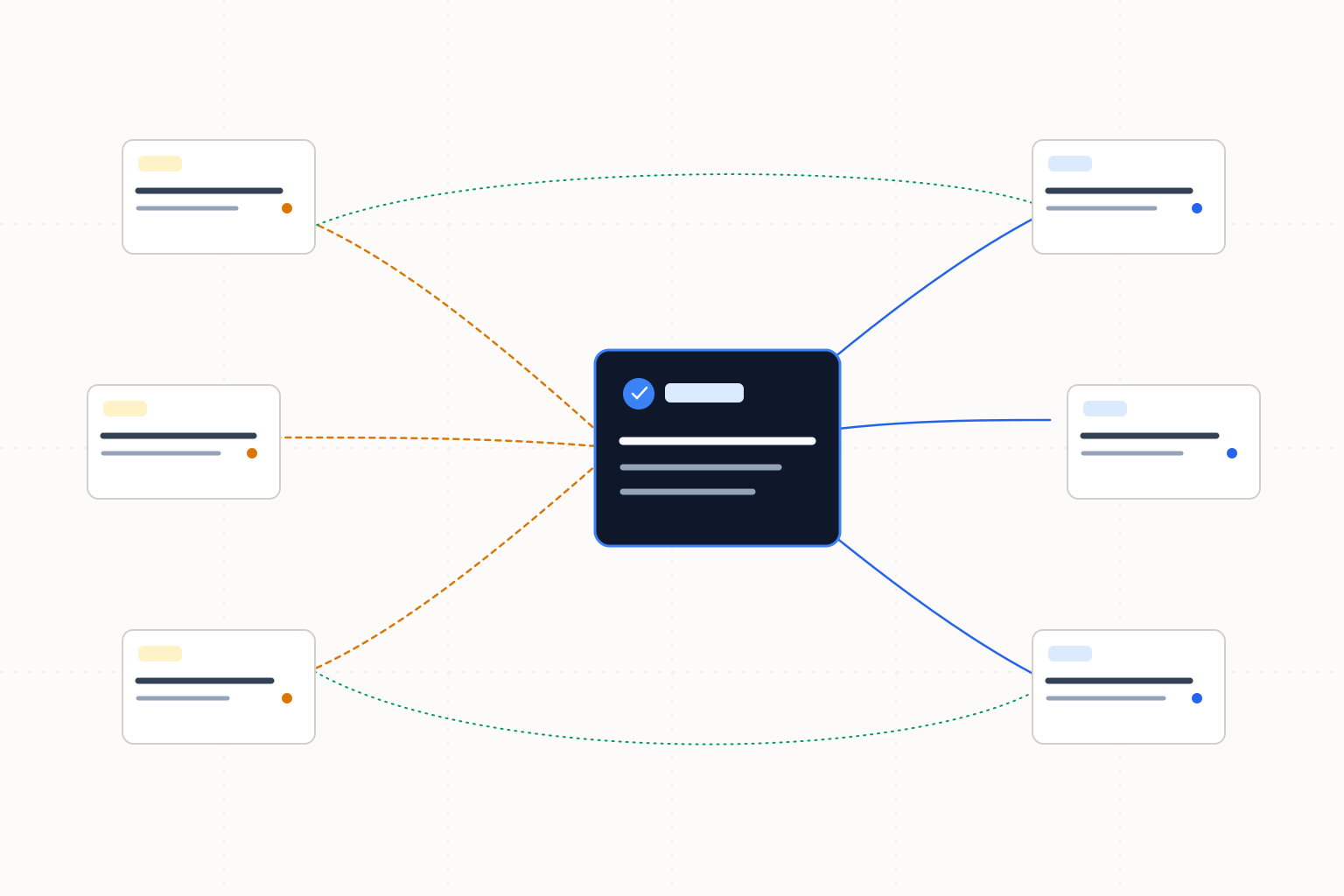
ResearchRabbit leads for expanding a paper collection backward and forward. Litmaps suits ongoing monitoring; Inciteful explores networks and connections between two papers.
ResearchRabbit is our first choice for expanding a paper collection through backward and forward citation chasing, with verified free searches and collections. Choose Litmaps when keeping a map current with new-paper alerts matters most. Inciteful is the specialist option for network-based discovery and finding connections between two papers. These are citation-mapping workflows; their maps do not establish scientific agreement or complete coverage of a field.
The ranking
| # | Tool | Best for | Score | Starts at |
|---|---|---|---|---|
| 1 | ResearchRabbit | Expanding a paper collection backward and forward | 92/100 | Free; RR+ available, current paid amount and billing commitment unresolved. Source: ResearchRabbit pricing, checked 2026-10-26. |
| 2 | Litmaps | Maintaining a map with new-paper alerts | 86/100 | Current numeric price unverified; confirm plan or licensing terms. Source: Litmaps pricing, checked 2026-10-26. |
| 3 | Inciteful | Exploring network relationships and two-paper connections | 79/100 | Current price and billing terms unverified. Workflow source: Inciteful academic help, checked 2026-10-26. |
Leaderboard Score is our editorial judgment out of 100, weighted by the criteria below. Compare scores within this ranking; different categories use different priorities.
How we score
| Criterion | Weight | What we consider |
|---|---|---|
| Citation traceability | 35% | Documented citation or reference relationships that let a researcher investigate why papers are connected. |
| Exploration workflow | 25% | Fit of seed expansion, related-paper discovery or two-paper connection searches to a research question. |
| Continuing organization | 25% | Documented collection management, map annotation or monitoring that supports returning to the topic. |
| Access and limits | 15% | Verified starting access and plan limits, without assuming that a public help page establishes free use. |
Tool by tool
ResearchRabbit
Best overall · Expanding a paper collection backward and forwardResearchRabbit's guide starts with a seed-paper collection and opens a Citation view for backward and forward expansion. It leads for a researcher who wants to follow references and later citing papers while refining a reading collection.
Skip it if: Your main task is finding a connection between exactly two papers; Inciteful documents a dedicated Literature Connector for that question.
Litmaps
Maintaining a map with new-paper alertsLitmaps combines citation and reference connections with map visualization and annotation. Email alerts for new papers make it the choice here for returning to a research area after the initial exploration.
Skip it if: You need a confirmed free seed allowance before beginning; ResearchRabbit publishes the clearer starting terms in the sources compared here.
Inciteful
Exploring network relationships and two-paper connectionsInciteful's Paper Discovery builds a citation network around chosen papers and uses network analysis and link prediction to identify related work. Literature Connector addresses a different task: finding connections between two papers.
Skip it if: Your deciding requirement is a documented email-alert workflow or a confirmed ongoing free allowance; neither is established by the help source used here.
Choose by use case
| If you need | Pick | Why |
|---|---|---|
| Follow references and later citing papers from a collection | ResearchRabbit | Its Citation view documents backward and forward expansion from seed papers. |
| Revisit a map as new papers appear | Litmaps | The feature offering includes map annotation and email alerts; confirm the necessary plan. |
| Investigate connections between two known papers | Inciteful | Literature Connector explicitly addresses the two-paper connection task. |
Start with the relationship you want to investigate
ResearchRabbit leads this comparison for a collection-based citation-chasing workflow and clear free starting terms. Litmaps ranks next because map organization and new-paper alerts support continuing attention to a topic. Inciteful is a strong specialist choice when the question concerns network-related papers or connections between two known papers.
We compared vendor-documented workflows and access terms checked on October 26, 2026. The scores describe fit to the criteria above. We did not measure discovery recall, compare the correctness of related-paper recommendations or establish that a map contains every relevant paper.
Backward and forward chasing answer different questions
Backward citation chasing follows the references a paper used. Forward chasing follows later papers that cite it. Both concern actual citation relationships, but the direction changes what you are looking for. Earlier references may reveal the method a study adopted; later citations may reveal attempts to extend or challenge it.
ResearchRabbit's citation-map guide documents a seed collection, Citation view and backward/forward expansion. Litmaps describes citation and reference connections in a visual map. Use those relationships to identify a next reading candidate, then open the paper and inspect why it cites the work you started from. The edge alone does not explain the author's position.
Related-paper recommendations are another kind of lead
Inciteful's academic help documents network analysis and link prediction in Paper Discovery. Those methods surface related or structurally important papers around the chosen seeds. A related-paper result should not be described as a direct citation relationship unless you have inspected the actual connection.
Its Literature Connector takes two papers and investigates connections between them. Suppose one paper concerns reminder-message design and another concerns outpatient attendance. A connecting path might identify a shared methodological background worth reading. It does not prove that either paper supports the other's findings, or that the path is an intellectual history of the topic.
Keep the question beside the map: are you looking for earlier methods, later evaluations or a bridge between areas? That note makes it easier to reject an attractive cluster that does not serve the task. If the interface groups papers algorithmically, preserve that distinction in your own explanation of how you found them.
Refine the seeds and keep the reading record
Start with a paper you have read closely enough to describe its relevance. Add a second seed with a meaningfully different perspective, such as another method or a contrary result. Explore the map again and check which candidates recur. This is a suggested search practice, not evidence that either seed choice guarantees coverage.
ResearchRabbit's guide includes refining and organizing the results of expansion. Litmaps adds annotations and email alerts for new papers; its Pro offering lists Zotero synchronization. Decide how often you will revisit the topic and which record holds your own eligibility notes. A collection of interesting papers is not yet an included-study list.
When the task becomes formal screening, our literature-review comparison covers explicit decisions and reviewer oversight. For inspecting a passage inside a downloaded paper, see the PDF chat guide. Neither step should inherit an inclusion decision merely because a paper appeared close to a seed.
Pricing and access provenance
The sources below were checked on 2026-10-26. We omit numeric paid prices where the current amount or billing basis is unresolved. A workflow guide documents functionality; it does not by itself establish a free plan.
Tool | Starting terms and unresolved commitment | Named source | Checked |
|---|---|---|---|
ResearchRabbit | Free unlimited searches/collections with 50 seed articles; RR+ price unresolved | 2026-10-26 | |
Litmaps | Numeric prices and exact Free map/input limits unverified | 2026-10-26 | |
Inciteful | Current pricing and ongoing free terms unverified | 2026-10-26 |
ResearchRabbit's free seed limit is separate from its unlimited search allowance. Litmaps' Pro feature claims should not be read as Free entitlements. For Inciteful, use the current academic site and confirm access terms before making a purchasing assumption.
The broader academic research-assistant comparison covers paper search and source-visible answers. Citation maps instead give you relationships to investigate. Retain a separate explanation of what each paper contributes after you read it.
Frequently asked questions
Which citation mapping tool has the clearest verified free starting terms?
ResearchRabbit lists free unlimited searches and collections with 50 seed articles. That is why it leads on access in this comparison. The seed limit still applies, and unlimited searches do not establish complete coverage or unlimited input size.
Does a connection between papers mean they agree?
No. A citation can reference a method, provide background or dispute a finding. An algorithmic related-paper result is also different from a direct citation edge. Open the papers and inspect the relevant text before describing their scientific relationship.
When should I use Inciteful's Literature Connector?
Use it when you have two known papers and want to investigate connections between them. Paper Discovery serves a broader network-exploration task around chosen seeds. A connection path supplies reading leads, not proof of agreement or a complete history of the field.
Which tool should I consider for keeping a topic current?
Litmaps documents email alerts for new papers alongside map visualization and annotation. Confirm which plan includes your required features; this comparison does not establish exact Free map limits or a current numeric paid price.
How this ranking was made
We compared the named published sources listed below, including product information and pricing. Third-party reviews inform a comparison only when cited. Scores follow the weighted criteria above. These are source-based comparisons, without hands-on testing or lab benchmarks, and no vendor paid for a position. New evidence can change a tool's score or position; Litmaps ranks second under this article's criteria.
Changelog
- October 26, 2026Compared citation chasing, network-related discovery and two-paper connections, with dated access terms and weighted editorial scores.
Sources
- ResearchRabbit citation-map construction and backward/forward expansion, checked 2026-10-26
- ResearchRabbit free search, collections and seed limits, checked 2026-10-26
- Litmaps mapping, annotation, monitoring and Pro features, checked 2026-10-26
- Litmaps pricing and licensing information, checked 2026-10-26
- Inciteful Paper Discovery and Literature Connector documentation, checked 2026-10-26