
Best AI Literature Review Tools in 2026: 3 Workflows
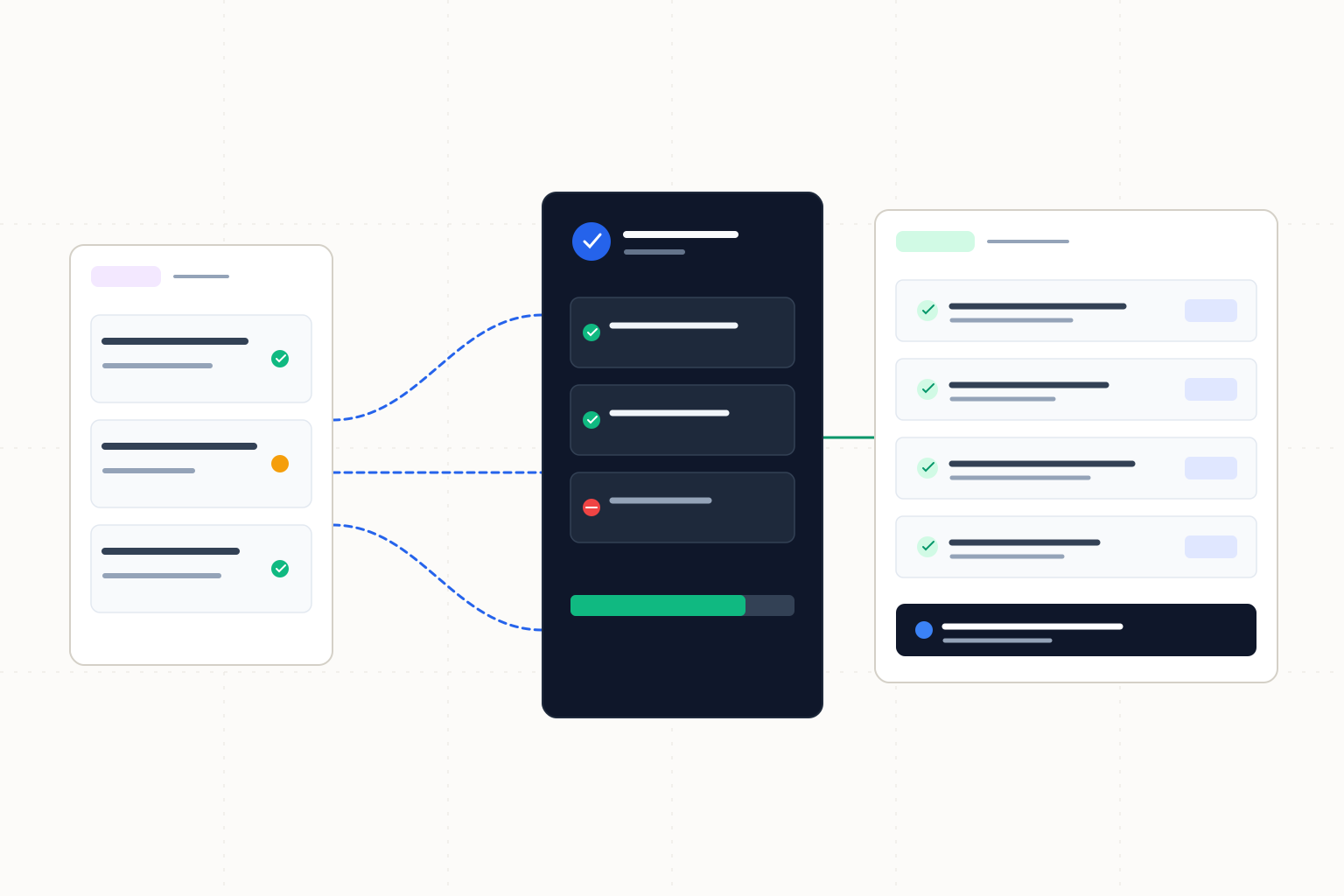
Covidence leads for reviewer-controlled extraction and consensus. Elicit connects search to screening; Rayyan suits explicit team screening decisions.
Covidence is our first choice for a review team prioritizing extraction oversight: its documented workflow pairs supporting PDF quotations with explicit acceptance or rejection and reviewer consensus. Elicit is the pick for connecting a research question to search, screening and quoted extraction cells. Choose Rayyan when the central task is recording screening decisions and resolving team conflicts. Scores judge documented workflows, without claiming extraction accuracy or compliance with a review standard.
The ranking
| # | Tool | Best for | Score | Starts at |
|---|---|---|---|---|
| 1 | Covidence | Reviewer-controlled extraction and consensus | 91/100 | US$339/year for a single review; US$907/year for up to 3 reviews, each package valid 12 months. Source: Covidence pricing, checked 2026-10-26. |
| 2 | Elicit | Connecting search, screening and evidence extraction | 87/100 | $49/user/month billed annually as $588/year for Pro; source: Elicit pricing, checked 2026-10-26. |
| 3 | Rayyan | Explicit screening decisions and team conflict resolution | 80/100 | Current price and billing terms unverified; confirm the required plan. Workflow source: Rayyan screening help, checked 2026-10-26. |
Leaderboard Score is our editorial judgment out of 100, weighted by the criteria below. Compare scores within this ranking; different categories use different priorities.
How we score
| Criterion | Weight | What we consider |
|---|---|---|
| Human decision control | 35% | Documented reviewer decisions, acceptance of suggestions and mechanisms for resolving disagreement. |
| Inspectable extraction evidence | 30% | Documented supporting quotations and proximity to the source during screening or extraction. |
| Review continuity | 20% | How the described stages connect screening with extraction and continuing review work. |
| Cost and commitment | 15% | Verified purchase units, review capacities and billing commitments relevant to a review team. |
Tool by tool
Covidence
Best overall · Reviewer-controlled extraction and consensusCovidence places the PDF beside extraction and assessment forms. Its AI suggestions require an explicit accept or reject decision and show supporting PDF quotations, followed by a consensus workflow.
Skip it if: Your immediate task is an exploratory paper search rather than running an extraction and assessment workflow.
Elicit
Connecting search, screening and evidence extractionElicit's systematic-review workflow starts with a question and context, proposes criteria and columns, then proceeds through search, screening, extraction and reporting. Screening decisions and extraction cells expose supporting paper quotations.
Skip it if: Your deciding requirement is Covidence's specifically documented accept/reject and two-reviewer consensus procedure.
Rayyan
Explicit screening decisions and team conflict resolutionRayyan documents screening through title/abstract and full-text stages, with Include, Maybe and Exclude decisions, reasons and blind mode. Its team workflow provides a place to resolve screening conflicts.
Skip it if: Your purchase depends on confirmed AI-generated extraction quotations; that capability is not established by the screening source used here.
Choose by use case
| If you need | Pick | Why |
|---|---|---|
| Approve suggested extraction values and reach consensus | Covidence | Supporting PDF quotes accompany suggestions that reviewers explicitly accept or reject. |
| Move from a research question into search and extraction | Elicit | The documented stages connect proposed criteria, paper screening and quoted extraction cells. |
| Screen references independently and resolve conflicts | Rayyan | Include/Maybe/Exclude decisions, blind mode and conflict resolution make screening judgments explicit. |
A review needs decisions you can explain later
Covidence leads under criteria that prioritize human control and inspectable extraction. Its explicit acceptance step and reviewer consensus are particularly relevant when a team must agree on what goes into a results table. Elicit ranks next for its connected search-to-report workflow and supporting paper quotations. Rayyan is a practical screening choice when a team needs clear decision states and a place to resolve conflicts.
This comparison uses published sources checked on October 26, 2026. It does not assess extraction accuracy, establish complete literature coverage or certify a review against PRISMA or another reporting standard. The AI label describes assistance within these workflows; it does not mean the review runs autonomously.
Write the inclusion rule before rating the papers
Suppose you are reviewing whether text-message reminders reduce missed outpatient appointments in adults. Decide whether studies of telephone calls qualify, whether mixed adult/child samples need separate results, and whether attendance must be measured per booking. A broad relevance judgment will not settle those details.
Elicit's review guide starts from a question and context and proposes screening criteria and extraction columns. Review those proposals before applying them across the collection. Rayyan's Include, Maybe and Exclude states let a reviewer retain uncertainty while recording a reason. Its relevance ratings should not become final decisions merely because they put papers in a convenient order.
Apply the draft rules to a small set containing borderline papers. Ask reviewers to explain disagreements in terms of the rule. If the rule changes, identify earlier decisions that need another look. This is a suggested review practice, not a claim that any product enforces your protocol automatically.
A supporting quote is the beginning of extraction review
Elicit exposes paper quotations for screening decisions and extraction cells. Covidence's extraction guide documents the PDF beside extraction and assessment forms, with supporting quotations for AI suggestions. Those routes back to the text are useful when a proposed value seems plausible but refers to the wrong outcome.
For the reminder example, a study might report both successful message delivery and actual appointment attendance. Before accepting a value, read the result's definition and denominator. Check the follow-up period. A quote containing a percentage is insufficient if the form asks for an outcome measured at a different time.
In Covidence, use the explicit accept/reject step to distinguish a proposed value from a reviewed one. Its documented two-reviewer process then proceeds to consensus. Agree on how to record a genuine ambiguity rather than forcing agreement by copying the more confident answer. An unresolved definition belongs in the review notes.
Purchase the right unit of review work
Prices and source descriptions below were checked on 2026-10-26. Elicit charges by user and annual plan; Covidence publishes review packages. These are different purchasing units, so comparing a displayed monthly figure alone would be misleading.
Tool | Access and purchase unit | Named primary source | Checked |
|---|---|---|---|
Covidence | US$339/year for 1 review; US$907/year for up to 3, valid 12 months, unlimited collaborators | 2026-10-26 | |
Elicit | Pro $49/user/month billed $588 annually; Basic is free but not the paid review workflow | 2026-10-26 | |
Rayyan | Price, billing and free allowances unverified; confirm the plan for your stages | 2026-10-26 |
Elicit Pro's 5,000-paper review capacity differs from its 135-paper report capacity. Map those limits to the point where your project expects the greatest volume. Covidence's unlimited collaborators do not remove the package's review count or 12-month duration. For Rayyan, request current terms rather than assuming every documented stage or AI feature comes with the same access.
Keep discovery separate from eligibility
A paper found through a citation network is a candidate for screening. Its proximity to an included study does not make it eligible. Record where it came from, then apply the same rule used for other records. Our citation-mapping comparison explains backward and forward discovery and related-paper suggestions.
For close reading of a small source set, the PDF chat comparison focuses on quotations and navigation. The academic research-assistant ranking instead compares broader paper-discovery workflows. Bring a checked passage from those tools into the review, but retain the reviewer decision and its reason separately from the generated answer.
Frequently asked questions
Which tool leads for a team reviewing extracted values?
Covidence leads here because its documented workflow shows supporting PDF quotations, requires explicit acceptance or rejection of AI suggestions and proceeds to reviewer consensus. That is a workflow recommendation, not evidence that its proposed values are more accurate than another tool's.
Is Elicit's full systematic-review workflow free?
Basic is free, but the review workflow compared here is paid. Pro lists $49 per user per month billed annually as $588. Its 5,000-paper review limit and 135-paper report limit describe different stages; do not treat them as interchangeable capacities.
Should a Rayyan relevance rating decide inclusion?
No. Use your eligibility criteria to record the decision. Rayyan documents Include, Maybe and Exclude states with reasons, plus blind screening and conflict resolution. A relevance prediction does not replace the team's judgment about a borderline study.
Does using one of these tools make a review PRISMA compliant?
This comparison establishes no compliance guarantee. Your team must define the review question and retain the required search and decision records. A supported extraction field or completed workflow stage does not by itself establish that the final review meets a reporting standard.
How this ranking was made
We compared the named published sources listed below, including product information and pricing. Third-party reviews inform a comparison only when cited. Scores follow the weighted criteria above. These are source-based comparisons, without hands-on testing or lab benchmarks, and no vendor paid for a position. New evidence can change a tool's score or position; Elicit ranks second under this article's criteria.
Changelog
- October 26, 2026Compared screening decisions, supporting extraction quotations and reviewer consensus, with dated purchase units and weighted editorial scores.
Sources
- Covidence extraction, AI suggestion review and consensus workflow, checked 2026-10-26
- Covidence review packages, duration and collaborators, checked 2026-10-26
- Elicit systematic-review stages, supporting quotations and capacities, checked 2026-10-26
- Elicit review-plan pricing and Basic access, checked 2026-10-26
- Rayyan reference-screening decisions, stages and team workflow, checked 2026-10-26